The future of drug discovery with quantum sensing
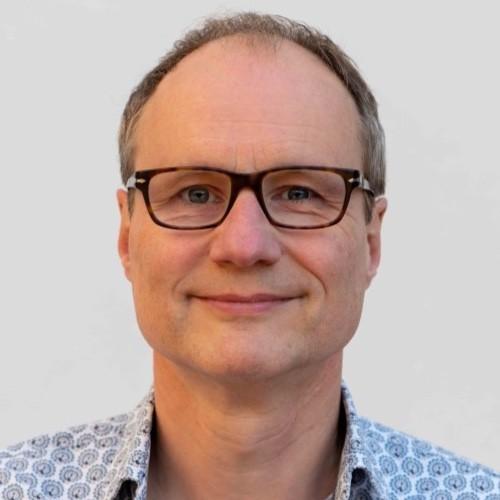
This week, we sat down with Deepak Veeregowda, CEO of QT Sense, to discuss how quantum sensing tools are enabling researchers to view cellular changes in real time and how dynamic observation can help pharma “fail faster” in the drug discovery process—ultimately leading to less costly drugs and quicker time-to-market.
Deepak will join Philippe Bouyer, Quantum Delta NL chair of the board, and Richard van Harderwijk, QDNL’s Program Manager Business Ecosystem, on stage at Innovation for Health next week. Their discussion will explore how quantum technologies are already influencing work within the life sciences and health industries, and the potential of these technologies to enhance both efficiency and competitiveness in drug discovery and testing.
Drug discovery is often a long and complex process with many unknown variables. In your view, what are the most significant limitations researchers now face when trying to understand how drugs interact with diseases at the cellular level?
One of the biggest limitations is that most tools still provide static snapshots of biology rather than dynamic insight. Researchers often measure endpoints—cell death, gene expression, or biomarker levels—after the biology has already unfolded. That makes it difficult to understand how a drug produced its effect.
Another challenge is biological averaging. Many assessments collapse thousands of cells into a single signal, which masks heterogeneity. In diseases like cancer or inflammation, the most important signals often come from small subpopulations of cells.
Finally, many techniques are destructive or unsettle the system, meaning you can’t follow the same cells over time. As a result, researchers often miss the timing and sequence of events that determine whether a therapy succeeds or fails.
QT Sense has developed biomicroscopes that allow researchers to observe cellular behaviour in real time. How does this impact the way scientists can study drug-disease interactions?
Our technology allows scientists to observe cellular stress responses in real time inside living cells, rather than inferring them later from endpoint assessments. By using quantum sensing with fluorescent nanodiamonds, we can measure free radical activity and relate it to oxidative stress at single-cell and subcellular resolution without destroying the sample.
This fundamentally changes the questions researchers can ask. Instead of simply asking whether a drug works, they can ask when it works, how the cell responds over time, and which cells respond differently.
Dynamic observation can reveal the sequence and timing of biological events. Researchers can therefore detect early stress signals, transient responses, or adaptation mechanisms that would never appear in a single endpoint measurement. It also allows scientists to see heterogeneity—how different cells respond differently to the same drug, which is often the key to understanding resistance or incomplete treatment responses.
In an earlier conversation, you mentioned that QT Sense helps pharma R&D teams “fail faster.” What does failing faster mean in the context of drug discovery, and how can earlier insights into cellular interactions help pharmaceutical teams make better decisions about which compounds to pursue?
“Failing faster” means identifying weak or risky drug candidates earlier, before companies invest years of development and significant capital. By observing cellular responses in real time, researchers can detect early stress signals, mitochondrial dysfunction, or ineffective mechanisms of action long before traditional toxicity or efficacy endpoints appear. This allows teams to stop, redesign, or reprioritise compounds much earlier.
A good example comes from work connected to our collaboration in the United States on ONC201 and related analogue for glioblastoma. One of the key questions in that program has been understanding why and how ONC201 induces stress responses in tumour cells and whether those responses are causally linked to therapeutic activity. Using QT Sense’s real-time sensing of intracellular free radical dynamics, we can directly observe how glioblastoma cells respond to treatment and map the sequence of cellular stress events triggered by the drug.
At Innovation for Health later this week, you’ll be discussing how advanced bio-modelling technologies are shaping the future of medicine. What developments do you think will have the biggest impact on drug discovery in the next five to ten years?
Three trends will have the biggest impact. First, more predictive human bio-models—organoids, organ-on-chip systems, and complex cell cultures. Second, the integration of multi-omics with real-time functional biology allows researchers to link molecular signatures with actual cellular behaviour. And third, single-cell analytics combined with AI, which will help interpret complex biological responses and guide better drug design.
Ultimately, the future of drug discovery will be about observing biology as it happens, rather than measuring it after the fact.
Innovation for Health takes place at Jaarbeurs Utrecht on 26 March 2026. Additional details can be found here.